0

Your Cart


Product title goes here
$19.95
Thank you! Your submission has been received!
Oops! Something went wrong while submitting the form.
No items found.
Catch is the Official Training Partner for Dock2Dock. Here’s your guide to training & everything you need to know before the 3km.
By Rebecca Wetten, Co-Founder & Head Coach at Catch
The Dock2Dock 3k is a great step up if you’re comfortable swimming continuously for a while & want a challenge that feels meaningful without tipping into the intimidating. At 3000 metres, it’s long enough that pacing, focus & efficiency matter, but still very achievable with sensible preparation.
This distance suits swimmers who’ve already had a taste of open water, as well as those returning to outdoor swimming after some time away & looking for a goal that rebuilds confidence. It’s also popular with pool swimmers who can already swim 2–3km continuously & want to translate that fitness into an open water setting.
Dock2Dock takes place in London’s Royal Docks, a sheltered urban waterway that usually offers calmer conditions than lakes or the sea. The flatter water & protected environment make it easier to settle into rhythm, manage your breathing & hold a steady line, which is especially helpful once you’re swimming beyond the “short and sharp” distances.
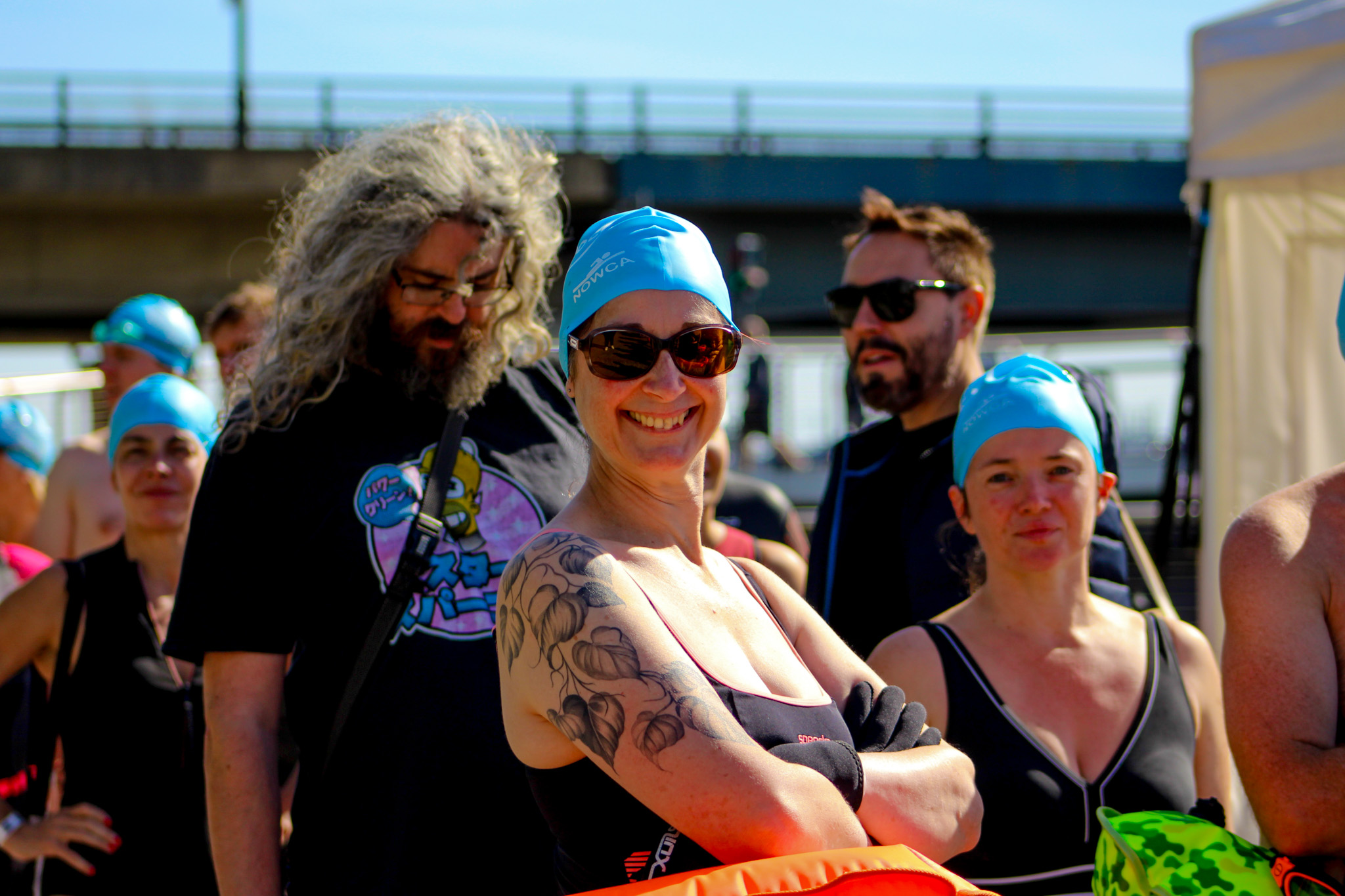
You’ll be swimming with city skyline views, historic dock cranes & planes passing overhead from London City Airport. It’s a unique atmosphere that feels energising rather than remote, with plenty of swimmers around you throughout the course.
.jpg)
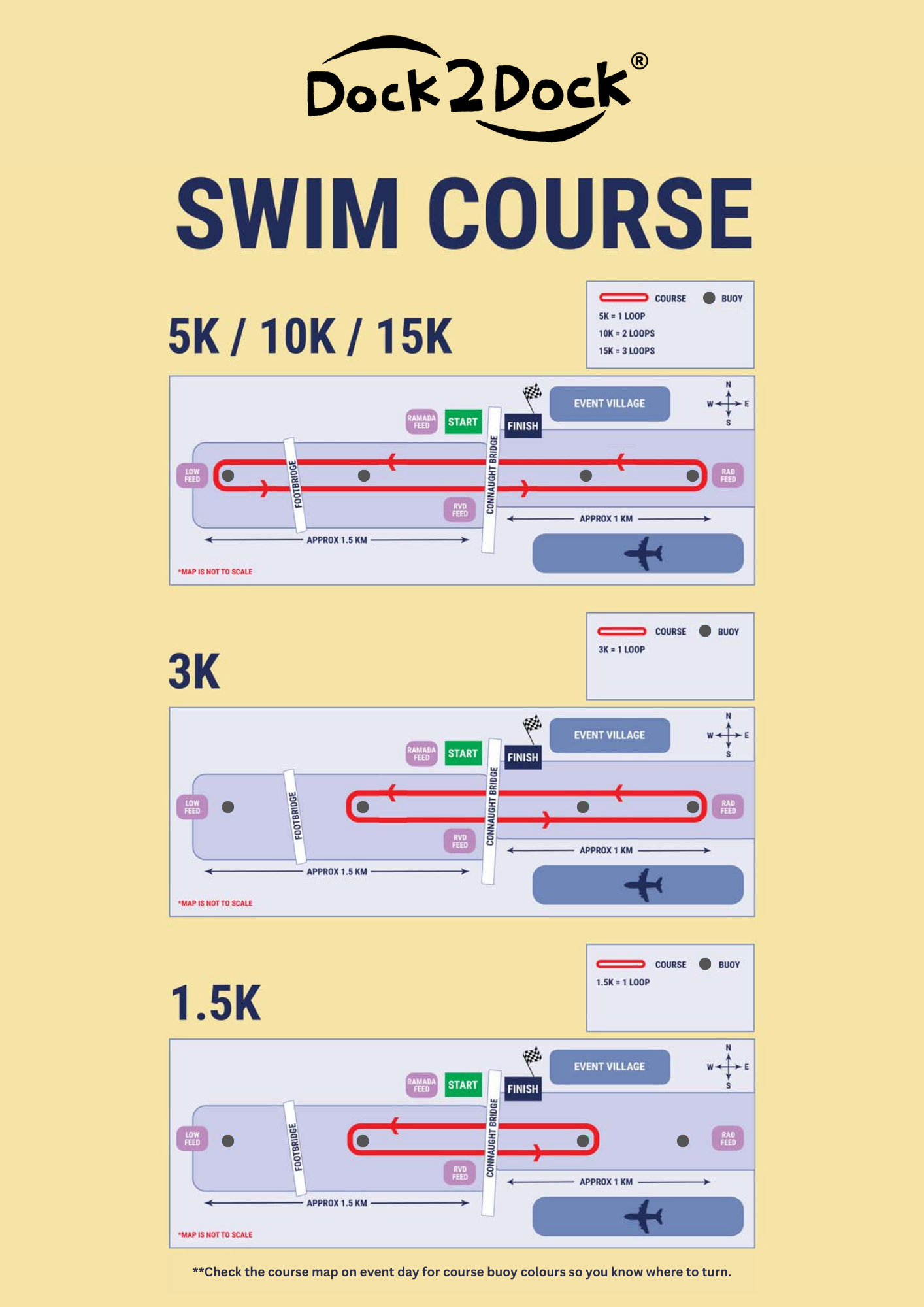
The 3k course uses clear, well-marked loops with large buoys, making navigation straightforward. This removes a lot of stress for swimmers who don’t want to constantly worry about sighting or drifting off course.
Starts are managed to reduce congestion, & safety cover is excellent, with kayaks, paddleboards & safety boats visible throughout. Feed stations are available for longer distances, but for most 3k swimmers, fuelling mid-swim isn’t necessary.
The field tends to spread out naturally, so while you’ll never feel alone, you’re also unlikely to feel boxed in or crowded for long.
Training for 3k is about building comfort with sustained effort rather than pushing speed.
Most swimmers do well with 2–3 swims per week. Across the week, aim to include:
Technique-focused swims, where you slow things down & work on balance, breathing rhythm & staying relaxed.
Steady endurance swims, gradually building up to 30–40 minutes of continuous swimming.
Shorter faster efforts, to improve aerobic fitness & help you feel confident changing pace when needed.
If you’re stepping up from shorter distances, avoid rushing the process. Gradually extending your longest swim by a few minutes at a time builds confidence without leaving you drained.
Every 4–5 weeks, include a lighter week where you reduce volume slightly. These weeks are key for staying consistent & avoiding burnout.
Even though the Royal Docks are relatively calm, open water still feels different to the pool. Water temperature, visibility & the absence of walls all add a mental layer.
If you can, get into open water before race day to practise swimming continuously without stopping. Focus on relaxed breathing, smooth sighting & staying calm if conditions feel different day to day.
If outdoor access is limited, longer continuous pool swims combined with technique work will still prepare you well.
At 3k, small inefficiencies add up. Swimming harder isn’t usually the answer – swimming smoother is.
Focus on staying long through the water, keeping your head position neutral & your breathing regular. A relaxed kick that supports balance will help you conserve energy for the second half of the swim.
Good technique helps you finish feeling strong & enjoy your swim rather than hanging on.
Most swimmers won’t need to eat during a 3k swim, but good preparation beforehand makes a noticeable difference.
The night before, eat a familiar carb-based meal. On race morning, have a light breakfast 2–3 hours before your start, such as porridge, toast or a banana.
Sip water or an electrolyte drink in the lead-up, especially if it’s warm.
Wetsuits are optional, but many swimmers choose to wear one for buoyancy & warmth. Whatever you choose, make sure you’ve tested it in training.
Pick goggles that suit the light conditions & anti-fog them before the start. Bring warm clothing for afterwards – standing around post-swim can feel colder than expected.
In the final week, reduce your training volume by around half. Keep a couple of short swims to stay loose, but avoid long or hard sessions.
Arriving rested will make a bigger difference than squeezing in extra metres.
Arrive early & give yourself time to settle. If you prefer space, position yourself away from the front or edges at the start.
Settle into a pace you could hold comfortably for most of the swim. Avoid the temptation to chase faster swimmers early on.
Sight regularly, keep your breathing calm & stay focused on your own swim. If nerves creep in, slow your breathing & lengthen your movements.
Once you finish, get warm quickly & refuel with a carb-based snack. Take note of what worked well & what you’d tweak next time.
Many swimmers find the 3k becomes a stepping stone to 5k or 10k distances, or simply a distance they enjoy returning to year after year.
If Dock2Dock 3k is your goal, Catch can support you with a fully personalised training plan that adapts to your schedule, experience & progress, paired with a tailored video technique course to help you swim efficiently & confidently on race day.
.png)
.avif)
.png)
.png)
save 38% vs monthly billing
Catch - your digital swim coach - is the Official Training Partner for Great North Swim. Here’s your guide to training, kit, fuelling & race day.
Find out more
Catch - your digital swim coach - is the Official Training Partner for Great North Swim. Here’s your guide to training, kit, fuelling & race day.
Find out moreCatch - your digital swim coach - is the Official Training Partner for Great North Swim. Here’s your guide to training, kit, fuelling & race day.
Find out moreStart with Catch Free.
Get structured swim sessions each week, a monthly technique lesson, watch sync & full community access - free forever.